From $75 to a $1.2B Public Company: How Payam Zamani Built His Business Empire | Entrepreneurship | How We Profit | E10
After taking his business public at a $1.2 billion valuation, Payam Zamani learned that chasing rapid growth can weaken a company when profitability gets ignored. That lesson shaped his holding company, One Planet, which he built around profit, discipline, and purpose. Today, One Planet owns, operates, and invests in companies with a focus on improving margins, cutting unnecessary costs, and building businesses that can stand on their own. In this episode, Payam shares how entrepreneurs can turn around struggling companies, protect profit margins, and grow while embracing his philosophy of spiritual capitalism.
In this episode, Hala and Payam will discuss:
(00:00) Introduction
(00:00) What Is Private Equity Exactly?
(02:00) From Refugee to Billion-Dollar Founder
(13:48) Inside One Planet’s Profit Model
(21:17) How One Planet Turns Companies Around
(29:06) Payam’s Approach to People and Leadership
(39:42) Customer Acquisition and Unit Economics
(45:51) Cutting Hidden Business Costs and Overhead
(47:35) How Payam Builds and Buys Businesses
(51:26) The Principles of Spiritual Capitalism
(1:00:07) Building for Profit From Day One
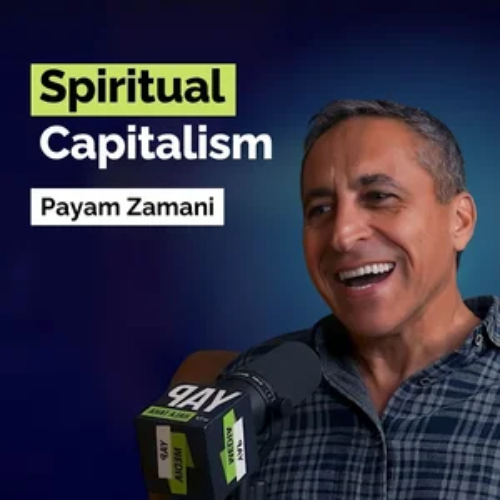
Payam Zamani is the founder, chairman, and CEO of One Planet Group, a closely held private equity firm that owns technology and media businesses and invests in early-stage companies. He co-founded AutoWeb in 1994 and helped take the company public in 1999, reaching a $1.2 billion valuation. Since then, he has built and owned multiple companies and invested in more than 50 businesses. He is also the author of the USA Today bestseller Crossing the Desert and an advocate for his philosophy of spiritual capitalism.
Sponsored By:
Indeed – Get a $75 sponsored job credit to boost your job’s visibility at Indeed.com/profiting
Shopify – Start your $1/month trial at Shopify.com/profiting.
Northwest Registered Agent – Get a complete business identity with Northwest. Visit northwestregisteredagent.com/YAPFree and start using free resources to build something amazing.
Mindstone – Master practical AI skills without the complexity with Mindstone’s AI Competency Programme. Head to experience.mindstone.com/yap and get 10% off.
AT&T Business – Stay connected with reliable, secure internet built for entrepreneurs. Switch to AT&T Business at business.att.com.
HoneyLove – Treat yourself to the most advanced bras and shapewear on the market. Save 20% off Honeylove by going to honeylove.com/PROFITING! #honeylovepod
Freshbooks – Manage all your business finances in one place. Right now, my listeners can get FreshBooks for less than $3 a month for your first four months — that’s 90% off. Head to FreshBooks.com/podcast to get started.
Walmart Marketplace – Reach millions of active online shoppers and get ready for holiday demand. Apply to sell today at marketplace.walmart.com/yap.
AG1 – Get a daily health drink that helps maintain energy, support gut health, and support immune health, all in one simple scoop. And for a limited time, save 20% on your first subscription order of AG1 Next Gen or AG1 Pro at DRINKAG1.com/PROFITING.
Resources Mentioned:
Payam’s Website: oneplanetgroup.com/meetpayam
Payam’s Book, Crossing the Desert: bit.ly/CrosingDesert
Payam’s LinkedIn: linkedin.com/in/payamzamani
Payam’s X: x.com/PayamZamani
Active Deals – youngandprofiting.com/deals
Key YAP Links
Reviews – ratethispodcast.com/yap
YouTube – youtube.com/c/YoungandProfiting
Newsletter – youngandprofiting.co/newsletter
LinkedIn – linkedin.com/in/htaha/
Instagram – instagram.com/yapwithhala/
Social + Podcast Services: yapmedia.com
Transcripts – youngandprofiting.com/episodes-new
Entrepreneurship, Entrepreneurship Podcast, Business, Business Podcast, Self Improvement, Self-Improvement, Personal Development, Starting a Business, Strategy, Investing, Sales, Selling, Psychology, Productivity, Entrepreneurs, AI, Artificial Intelligence, Technology, Marketing, Negotiation, Money, Finance, Side Hustle, Startup, Mental Health, Career, Leadership, Mindset, Health, Growth Mindset, Passive Income, Online Business, Solopreneur, Networking
Hala Taha: [00:00:00] Payam, welcome to Young and Profiting podcast.
Payam Zamani: Thank you, Hala. Thank you for having me.
Hala Taha: Now, this is a How We Profit episode, but I'm kind of thinking of it as a hybrid regular episode and How We Profit episode just because you're so accomplished.
Payam Zamani: Thank you.
Hala Taha: And you've achieved what many entrepreneurs hope to achieve in their whole lives.
At the age of 28, you had a company that went public, valued at $1.2 billion, AutoWeb, and then you started to buy and sell companies and invest in companies with One Day, the company that you run now. So I'm just so intrigued by all of this, and I do think a lot of my listeners out there who are newer entrepreneurs.
For me, I've got a business that makes, like, $8 million a year, and that's great. Uh, a lot of us are starting their first business. Like, I hope to exit my business one day, and I hope to be like you one day, uh, later on, maybe a decade from now, buying and selling companies too. So curious, uh, let's just start with the basics.
Yeah. [00:01:00] What is One Day exactly? How would you explain it?
Payam Zamani: One Day?
Hala Taha: Yeah.
Payam Zamani: One day of my life? What is it?
Hala Taha: Uh, sorry, my- One Planet. I'm such an idiot. Let me start that over. It's better. You're like, "One day? What the hell are you talking about?" Why did I do that? Okay, sorry. There's-- I have a new sponsor called One Day.
It's like-
Payam Zamani: Oh,
Hala Taha: there you go. Yeah. So I'm, like, mixing it up. All right, let me start that over. Payam, welcome to How We Profit.
Payam Zamani: Thank you for having me, Hala.
Hala Taha: I'm so excited for this interview, and actually I'm thinking about this interview as like a hybrid regular Yap episode and a How We Profit episode because you are just so accomplished.
Thank you. And you've actually achieved things that many entrepreneurs don't achi- achieve in their whole lives. At 28, you had a company go public. It was valued at $1.2 billion, which is absolutely incredible, and now you've got a company, One Planet, which essentially buys and sells and invests in companies, which is just so cool.
And a lot of us entrepreneurs, we're, we're newbies. You know, we [00:02:00] probably, many of us listening haven't even exited a company yet, and maybe we want to have a holding company or a private equity company in the future. So I wanna kind of start with the basics. Does that sound good?
Payam Zamani: Absolutely.
Hala Taha: Okay. Let's do it.
So let's start with, like, private equity.
Payam Zamani: Mm-hmm.
Hala Taha: What is private equity exactly?
Payam Zamani: You know, I've got my own definition of it, and frankly, I don't even know what I'm running, if it is private equity. Mm. It's my company. Yeah. And I don't have any LPs. I don't have any outside investors.
Hala Taha: Okay.
Payam Zamani: So I manage my own money.
Hala Taha: Mm-hmm.
Payam Zamani: And, uh, like you said, that, you know, we, we do own a few companies, but most companies that we own, we founded. Mm-hmm. So I have been the founder of those businesses.
Hala Taha: Yeah.
Payam Zamani: But we have also invested in, I think, 45, 50 companies-
Hala Taha: Mm ...
Payam Zamani: uh, to date.
Hala Taha: Really cool. So when I was researching you, it's kind of like a hybrid between a private equity company, a holding company, and an operating company.
Payam Zamani: It makes sense out of my chaos. That's- That's the truth. I, you know, I always tell people that if you [00:03:00] look at One Planet logo, there's that, there's that pale blue dot, which is the Earth, but to me, it, my, my brain is full of dots, and that one dot kind of forces me to focus a little bit.
Hala Taha: Yeah.
Payam Zamani: Um, you know, recently I made a movie.
Oh, cool. I, I wrote a book, and, you know, I, I operate a bunch of different businesses. So a little bit of a chaotic life, and I enjoy it.
Hala Taha: Mm-hmm.
Payam Zamani: But I try to also remind myself, focus.
Hala Taha: Yeah. So let's actually talk about your story- Mm ... because it's so powerful. It's very inspiring, and you actually s- your, your world kind of started, like, very chaotically.
Talk to us about how you grew up and how you ended up in America.
Payam Zamani: I was born in Iran. Mm-hmm. Um, uh, I was born in a Baha'i family. That's my religion. And then the revolution happened in 1979- Mm-hmm ... and the new government did not think highly of a lot of people, including, uh, the, the Baha'is of Iran.
Hala Taha: Mm-hmm.
Payam Zamani: And, um, so the 1980s became [00:04:00] very difficult. Uh, they killed a lot of Baha'is. Uh, they imprisoned a lot of Baha'is. Mm-hmm. And all of it be- because different religion. They, they were fanatics. Yeah. And, um, uh, they also expelled Baha'is from many schools. Uh, they... Even today, 47 years later, Baha'is don't have the right to attend universities in Iran.
Hala Taha: Wow.
Payam Zamani: So when I was 11, I was expelled from school in, i- in a most horrific way. Uh, they basically, the, the religious leader of the school, uh, got a mob of over 50 students, uh, to kill me. That was his plan- What? ... to get rid of me- Wow ... to exterminate me. That was their plan. Luckily, I survived, but it-- think of it as a march of death for one mile, kids spitting on you, beating you, throwing rocks at you, kicking you.
And, uh, you know, I talk about there are two times in my life I did not think I'm gonna get out of that situation alive. Yeah. That was the [00:05:00] first one. I survived that-
Hala Taha: Mm ...
Payam Zamani: uh, but I was never able to go back to that school. Uh, but you fast-forward about six years later, uh, my parents decided that, uh, it's time for me to leave the country.
Hala Taha: Yeah.
Payam Zamani: And good, law-abiding citizens, they had to find a smuggler-
Hala Taha: Mm ...
Payam Zamani: to get me out of the country.
Hala Taha: Mm-hmm. That's so crazy. And so your parents basically saved up to allow you and your brother to go to Pakistan. Is that right?
Payam Zamani: That's right. My brother left first a year before me, and then, um, I left in 1980, um, 7.
Uh, they paid a smuggler, and, you know, it was a, it was a very... Like, it's one of those journeys that you don't want anyone to ever go through. Mm-hmm. Um, it, it leaves its mark on you forever.
Hala Taha: Yeah.
Payam Zamani: The way you say goodbyes, the, the way that you're going through, um, a desert that you don't know if you're gonna survive.
You have no idea where you're headed.
Hala Taha: Yeah.
Payam Zamani: And I was just a child- Yeah ... at the time, and by myself, [00:06:00] uh, no family member with me as I was going through that. Oh, you weren't with your
Hala Taha: brother.
Payam Zamani: No, he had left the year before me.
Hala Taha: Mm.
Payam Zamani: And so it was a, it was a very- Uh, you could call it terrifying experience.
Mm-hmm. Uh, and it was, uh, the second time I thought I'm not gonna survive, uh, was, uh, during an incident that happened, uh, during that journey. But again, um, you know, I look back and I feel that these difficult journeys in life, um, they end up defining who we become. And, uh, you know, uh, the
Hala Taha: outcome- Makes business really seem easy- Makes business-
after all, after all that
Payam Zamani: A bad quarter is nothing.
Hala Taha: Yeah.
Payam Zamani: So.
Hala Taha: Um, okay, so how did you m- make your way to America? Mm. 'Cause that's really where you got your education- That's right ... you started building businesses.
Payam Zamani: So in 19, um, uh, 88, '87 when I made it to Pakistan, after getting, uh, my, uh, basically what, what is called temporary asylum, uh, from the United Nations- Mm
I found my way to [00:07:00] the US Embassy-
Hala Taha: Mm ...
Payam Zamani: in Islamabad. And I talk about this quite often, that that was a moment when for the first time I experienced human rights. Mm. That my life is worth something.
Hala Taha: Yeah.
Payam Zamani: Uh, the US, um, treated me with respect. Uh, the embassy in fact hired a lawyer-
Hala Taha: Yep ...
Payam Zamani: to make sense out of my case-
Hala Taha: Wow
Payam Zamani: uh, to present it to the ambassador. Uh, that was done, and ultimately I received, um, a residency and asylum from the US. Uh, and then a charity out of New York bought my ticket.
Hala Taha: Mm.
Payam Zamani: Uh, so I was able to make it to the US, and, uh, my brother and I, we ended up landing in the US together at the same time in June of 1988.
Uh, and you know, there are many headlines about, about this journey that, that I've done, and many interviews I've done, and the headline is always, uh, that we landed in the US with 75 bucks in our pocket.
Hala Taha: Mm. I love that. So. It reminds ... So something, uh, we were talking earlier before this interview, and I was telling you- Mm
that, like, I feel very, like, relatable to your story because of my father. [00:08:00] Mm. And I remember ... My dad passed away, but when he was alive, he loved America.
Payam Zamani: Mm.
Hala Taha: He'd always be like, "This is the best country in the world. America is the best." Like, he was so proud to be American, because for him, he was able to make all his dreams come true-
Payam Zamani: Yeah
Hala Taha: by living in America, and he really, really appreciated the freedom, the freedom to, to build businesses, to be successful, and, you know, there's n- not much oppression. It's like everybody- Yeah ... is equal in America.
Payam Zamani: Yeah, I mean, clearly we have our problems in the US
Hala Taha: We have
Payam Zamani: our problems,
Hala Taha: of course,
Payam Zamani: but- But I think, and, and, and also, I would also say and American dream, uh, is an invitation.
It's not a guarantee.
Hala Taha: Mm-hmm.
Payam Zamani: Uh, the, the US is a platform that was built over 250 years, at times unjustly.
Hala Taha: Yeah.
Payam Zamani: But it was built over 250 years, and this foundation is what we entrepreneurs take advantage of to build. And I think that's also important because we need to keep in mind that it's not just me building or you building.
[00:09:00] Many people sacrificed for this foundation- Yep ... that we are able to take advantage of and build our businesses, and we need to be grateful for that.
Hala Taha: I totally agree. So let's talk about how you put yourself through college- Hmm ... 'cause I think this is really inspirational. A lot of people who are listening right now, I think everybody's coming from all walks of life.
Some of us are successful entrepreneurs, some of us are just starting out, and a lot of us are starting from zero. Yeah. We don't have wealthy parents. We, we feel like we're, we're behind a lot of our peers because of that. Talk to us about your journey of putting yourself through school and how- Hmm ... you kind of like built your wealth initially.
Payam Zamani: Yeah. So, uh, I had one year of high school left when I came to the US, and, um, so let's get past that.
Hala Taha: Yeah.
Payam Zamani: And then I went to, uh, UC Davis.
Hala Taha: Mm-hmm.
Payam Zamani: And, um, uh, I painted homes and, and I, uh, and that was actually a great experience for me- Mm-hmm ... because, um, the idea was to paint homes, but I wanted to [00:10:00] run a business.
Hala Taha: Yeah.
Payam Zamani: So I would hire other students to paint homes. Nice. And I was the manager giving estimates and doing the, uh, you know, getting the jobs booked and so on. So I did ho- uh, paint homes, but I had three job sites going on at the same time- ... at any given time during the summer.
Hala Taha: That's great.
Payam Zamani: And the idea was to make as much money as I could so I could pay for my- Mm-hmm
uh, for my college years. And, um, um, that was the primary way that I was able to, to pay for school. Uh, but also I think that, uh, you know, it's interesting when I think back to those days- School wasn't doing it for me. Uh, it wasn't exactly, uh, getting me all excited and joyful, but I felt that, you know what?
As a Baha'i in Iran, I would not have had the right to go to university.
Hala Taha: Yeah.
Payam Zamani: I have to finish college. Mm-hmm. So that was something that I wasn't willing to negotiate with myself. I went to college, but you think back, I studied environmental toxicology. I'm not doing anything with it, but it did give me the discipline, I guess- Mm-hmm
the, the commitment [00:11:00] and the background that allowed me to do other things. Hmm.
Hala Taha: And then y- was AutoWeb the first, like, real company that... Well, I guess the paint, paint company was a real company, but was Auto-- Like, how did you start AutoWeb?
Payam Zamani: Yeah. So in 1994, when I graduated, uh, from Davis, my brother also graduated, uh, from university, and he got a job at Microsoft.
Hala Taha: Hmm.
Payam Zamani: And one day he called me and he said that, "I wanna buy a Honda. Uh, Honda doesn't own a website, doesn't have honda.com." "What do you think about building a website for cars?" Now, up to that point, I was 24 or 23. I had owned 16 different cars. I loved car- cheap cars. Hmm. But I would buy and sell cars.
Hala Taha: Hmm.
Payam Zamani: And I thought that if there's a way for me to get even with car dealers, I'm in. I would love to do that. Uh, but, uh, I didn't know anything about the internet, so he became the technologist, and I was the sales and marketing guy.
Hala Taha: Hmm.
Payam Zamani: So we founded that business in November of 1994, and if you [00:12:00] think about back then, uh, you know, there were only 5,000 domains- Hmm
that were registered- Yep ... total. Uh, there was no Google. Yahoo had just started. Um, it wa- it wa- Wow, that's so
Hala Taha: early ...
Payam Zamani: just early on. I mean, uh, to sign up somebody for our program, we had to first define describe what is the internet because- Mm ... they had never been online. It's crazy. So really early days.
Hala Taha: Really early days. And then you ended up going public at 28 years old. That must have been incredible. Like, what happened there? Like, when did AutoWeb, uh ... At, at some point you guys got, like, kicked out basically of leadership, right?
Payam Zamani: Yeah. So it was not easy for us to build that business. Neither me or my brother, we, we had not gone to Ivy League schools.
We had not gone to Stanford. And Silicon Valley, especially back then, was very much about, uh, you know, legacy in a sense.
Hala Taha: Mm-hmm.
Payam Zamani: Uh, are you a Harvard grad? Are you a Stanford grad? Mm-hmm. Uh, and are you white? Yep. [00:13:00] Uh, and, uh, and there were many other factors that really played a role in Silicon Valley. Mm-hmm.
But I always say this, in the US there are bumps along the way, but the road is never blocked. Yep. So, you know, just find your way through it. Mm-hmm. Don't let those things define you, and don't become a victim of them.
Hala Taha: Yeah.
Payam Zamani: So to raise money, we had to go to Fort Lee, New Jersey. Now, we were based in Silicon Valley, but we had to go to Fort Lee, New Jersey to raise money.
Yeah, 'cause
Hala Taha: there, there's more brown people in Fort Lee. Oh,
Payam Zamani: yeah, probably. And, and then ultimately for the third round, we raised money from, uh, Technology Crossover Ventures- Mm ... TCV, uh, in, in, uh, uh, Palo Alto. But it took a while for us to get them interested in investing in us. We built the business, uh, but we did not raise a whole lot of money because we couldn't.
Hala Taha: Yeah.
Payam Zamani: Which was a good thing. Meant we held onto a lot more ownership. Mm-hmm. We were forced to hold onto a lot more ownership. Yep. So we took the company public in, um, March of, uh, 1999. Uh, but, um, [00:14:00] we-- I, I was the CEO until January of that year, and the board was insistent that we bring somebody from the outside.
Hala Taha: Mm.
Payam Zamani: Um, we did, unfortunately. Uh, great guy, but just that wasn't his passion. Yeah. Just because the company was going public, it did not mean it was no longer a startup. And a startup requires, I think, the soul of the founder.
Hala Taha: Yeah.
Payam Zamani: And, um, so many wrong decisions were made, uh, which, uh, you know, you look back, you know, you wish that that wasn't the case.
Hala Taha: And you ended up buying the company back like 30- Yeah ... years later, right?
Payam Zamani: Uh, four years ago- Wha- Okay ... uh, the company, uh, had a, uh, had a challenging few quarters, and, uh, the company had a going concern issue by the, by the auditors. And, uh, so I made an offer, and I bought the company and took it private. So, um, it definitely was a sweet moment-
Hala Taha: Mm
Payam Zamani: um, to, to be able to buy the company back. And the company had [00:15:00] accumulated $350 million in losses over all these years. We made the company profitable in one month.
Hala Taha: I'm gonna ask you about that. We're gonna talk all about turnarounds and how to- Yeah ... turnaround companies. But let's focus on One Planet. How does One Planet, like, like really break it down for us.
Mm. Like, what do you do in this company? How do you guys make money?
Payam Zamani: Yeah. So One Planet itself, uh, is really a holding company. So One Planet, uh, does not, uh, you know, it does not have much of a P&L. Okay. But the companies within, uh, uh, One Planet, um, have, uh, have opera- operations. Our biggest company is called BuyerLink.
Hala Taha: Okay.
Payam Zamani: And BuyerLink, actually, AutoWeb is also owned by BuyerLink.
Hala Taha: Mm-hmm.
Payam Zamani: And, uh, BuyerLink is, um, $130 million a year business, very profitable, and, uh, it is basically a, a, a significant company that really impacts a lot of things, but you probably have [00:16:00] never heard of.
Hala Taha: Mm.
Payam Zamani: Um, it's the largest, um, generator of consumer demand for new cars in the US.
Hala Taha: Mm.
Payam Zamani: 10% of all new cars sold in the US are sold through BuyerLink-
Hala Taha: Interesting ...
Payam Zamani: and BuyerLink's, uh, uh, businesses, websites. Uh, we also own assets like usedcars.com. Uh, we own autoweb.com. We own contractors.com. We own california.com. Uh, we own a lot of assets, but all of these assets are designed to generate consumer demand for different verticals that they're sold in, uh, in, uh, I would say the digital format that the buyer of that, uh, tr- of that consumer demand can monetize.
Hmm. Uh, sometimes that's a lead, sometimes that's a click, sometimes that's a call. But all of the traffic that we generate, all the consumer demand that we generate is sold in a perfectly matched way to an end advertiser who never had to learn anything about online marketing.
Hala Taha: [00:17:00] Mm. Okay.
Payam Zamani: GM is a big client, uh, you know, Nissan, Kia, Hyundai, uh, all, all the, like, for example, car makers are, are, are partners.
Um, we se- send the OEMs in the country about one million, uh, car buyer leads on a monthly basis-
Hala Taha: Mm ...
Payam Zamani: uh, that really fuels their internet sales departments.
Hala Taha: Interesting. So how did you, like, first start One Planet? Like, where did it all start? How did you- Yeah ... I guess, like, you, you got some money from your, like, going public, or, like, how did it all start?
Yeah. And then how did you, like, keep building on top of it, where eventually it was a holding company?
Payam Zamani: It's actually a bit less interesting than that. Okay. I wish that was the case. Uh, what happened was, um, until about 2014, I was running a company called reply.com.
Hala Taha: Okay.
Payam Zamani: And I had raised VC money, [00:18:00] and reply.com pretty much did what BuyerLink does.
Hala Taha: Okay.
Payam Zamani: Um, but then in 2014, I personally as an entrepreneur hit a bit of a roadblock.
Hala Taha: Mm.
Payam Zamani: I decided that I'm kinda like tired of this game, and the game I'm talking about was dealing with five VCs on my board and, uh, trying to grow a company all the time- Mm ... regardless of, you know, if that company should grow at that moment in time or not, because sometimes unnatural growth leaves a carnage behind.
Mm. Uh, but that's the name of the game. Yeah. Yeah. If you're, have a VC-backed company, you have to keep growing.
Hala Taha: Yeah.
Payam Zamani: So I went to my board and I said that I'm done. I'm quitting. They said, "Well, you're the founder. You're the chairman. You're the largest shareholder." Yeah. I said, "Yeah, but I can no longer do this."
So, um, I recommended that they make the CMO the CEO, and I left.
Hala Taha: Mm.
Payam Zamani: And I remember that was, uh, July 16th, 2014. Uh, uh, my wife and I, two daughters, we got in the car and we just went on a road trip. [00:19:00] Yeah. It was the best time of my life-
Hala Taha: Mm.
Payam Zamani: I love that. Yeah ... to just completely, like, not have the worry of that business at that moment in time.
Mm-hmm. During that time, I was... I went to a, a conference. Mm. It was a Baha'i-inspired conference, and I saw this woman give a speech who runs an organization called Tahirih Justice Center that deals with women who are seeking, uh, legal representation because of the difficult situation they're in. And I thought...
I t-turned to my wife and I said, "You know what? I'm jealous that her daily life is service."
Hala Taha: Yeah.
Payam Zamani: I wished that was my life.
Hala Taha: Mm.
Payam Zamani: Then I thought, who says that nonprofits should be for betterment of the world, for-profits should be for greed? Why can't we combine the two? And I'm not like my social impact-
Hala Taha: Yeah
Payam Zamani: because a lot of bad businesses, they put a banner social impact. Mm-hmm. They go like, "Okay, I'll see. The reason we are not that profitable is 'cause social impact business." Anyhow, [00:20:00] at about that time, I got a call from my company, reply.com. They said that, "Can you come back? We're dealing with a disaster."
Hala Taha: Mm.
Payam Zamani: "And our bank loan is being called, and the company will go away." I went back with the idea of spending three months to sell the company and move on. During one of those meetings, um, there was a Chinese buyer who was interested from China, and, uh, I stopped showing much interest in that conversation because he was a bottom-feeder.
Hala Taha: Hmm.
Payam Zamani: And I decided I'm gonna buy the company. I'm gonna buy the company. This will be the beginning of the platform I wanna build.
Hala Taha: Hmm.
Payam Zamani: That will be what I thought in my mind, spiritual capitalism.
Hala Taha: Yeah.
Payam Zamani: And, uh, so I made an offer to the board that was bigger than anyone else's offer Truth be told, I did not have the cash at that moment in time.
But we owed a lot of money to our lender, and the lender was in a tough [00:21:00] position to be able to get paid- Mm ... get their money paid back. I told them that, "If you finance me to buy the company, I will make sure you get all your money back." They trusted me. Our lender, who wanted to foreclose on the business, funded me to buy the company from the investors.
Hala Taha: Mm.
Payam Zamani: And I was able to get back in there, build that company, and build One Planet.
Hala Taha: Nice. So that was basically the foundation of it, but- Sorry, very long answer No. So basically you bought back that company- Yeah ... and then through the profits of that company- Mm ... you were able to start buying other companies- That's right
and, like, acquiring?
Payam Zamani: So I'm big on profits. Okay. I feel like building for the future, that at some point I'll sell the company, overwhelming majority of startups never get to that point. Yeah. I wanna win today.
Hala Taha: Yeah.
Payam Zamani: So if there's a tomorrow that I can win tomorrow also, that's awesome. Mm-hmm. But I wanna win today.
So as a result, profitability to me is not optional. Um- Yeah ... and, and, and in fact, if you, uh, talk to my executives, they will tell you that I [00:22:00] often don't know the revenue of their businesses, but I know their margins-
Hala Taha: Mm ...
Payam Zamani: because to me- 'Cause you don't
Hala Taha: care about the top-line revenue.
Payam Zamani: I don't care about top line.
I'm not running a publicly traded company. Mm-hmm. I only care... And even if I was running a publicly traded company, which I did till, uh, sev- seven months ago, I do care still about the margins because even then, public companies should ultimately be judged based on their cash flow.
Hala Taha: Mm-hmm.
Payam Zamani: Um, but yeah, that's what matters to me the most.
And, uh, and to me, if you give me a business that has revenue, uh, I'm able to make it profitable- Yeah ... because if you're not committed and married to the revenue of a company-
Hala Taha: Yeah ...
Payam Zamani: uh, you are able to manage a business in a manner that can generate cash flow.
Hala Taha: Yeah. I feel like this is a perfect transition to just talk about turning around companies.
So essentially, what you do at One Planet is... Do you buy a portion of companies or you buy the c- all of the company? I just wanna start there.
Payam Zamani: So BuyerLink being our biggest business, we fully own it. I own it. Okay. I don't have any outside shareholders, so I own that business.
Hala Taha: Okay.
Payam Zamani: Um, [00:23:00] but there are businesses that we don't own fully.
Like, an example would be about a year and a half ago, we agreed to turn around a company called Inspirato. Mm-hmm. Inspirato, a publicly traded company, uh, was dealing with a disastrous situation. They were a few days from bankruptcy.
Hala Taha: Mm-hmm.
Payam Zamani: So in that case, we bought about half the company.
Hala Taha: Got it. Okay. So- So you buy whole companies, you buy...
And your, your goal is to optimize those companies, make them better, make them more profitable, and grow your stake in that company. That's your goal as a holding company, correct?
Payam Zamani: Grow my stake or just make my, uh, the, the value of my stake, not necessarily the percent ownership. Um- The value
Hala Taha: of your
Payam Zamani: stake, yeah.
That's right. Okay. And, and of course, you cannot, you know... To make a business profitable, you need to have a dual strategy. Um, one is- Immediately get to a point that you're cash flow positive.
Hala Taha: Mm-hmm.
Payam Zamani: But that by itself is not enough. You need to have a plan for growth. What's your vision? So you need to also have a roadmap- Mm-hmm
uh, for building that business to a point that it can grow.
Hala Taha: [00:24:00] Yeah. And do you have, uh, portions of your business that you share across all the companies? Like is marketing shared across all the companies, or like AI deployment shared across the companies?
Payam Zamani: Yes. So if you look at the businesses, uh, Inspirato, I sold that back in, uh, February, uh, which is unlike us.
I feel like I'm a farmer kind of entrepreneur. I'm not a buccaneer. I like to build and keep. Mm.
Hala Taha: Mm-hmm.
Payam Zamani: Uh, but that was a special situation, and we had to sell it. Uh, but the businesses that we have under, uh, One Planet, uh, that we own, uh, we, uh, we typically share back office. Uh, and actually AI is a great example that we share that.
Technology we share. Um, you know, that allows us to shift and balance resources as resources are needed within one of the organizations. Mm-hmm. Uh, and that, that's very helpful. That keeps our costs low. Yeah.
Hala Taha: So like let's say you acquire a portion of a company or let's say a whole company, d- are you often like laying off the HR team, laying off the [00:25:00] finance team, laying off the marketing team because you're gonna take all that in-house?
Payam Zamani: Yeah.
Hala Taha: Is that typically what happens?
Payam Zamani: That's actually very interesting. I have, um, um... I really-- It goes back to my spiritual beliefs. Um, I think that a business has to be stable, profitable, number one, because the employees of that business should be able to count on that business-
Hala Taha: Yeah ...
Payam Zamani: for the long term for their livelihood.
Yep. So the idea of, um, laying off is something that I really have a major problem with. Great.
Hala Taha: I love, I love that- And- ... that you, you feel that way.
Payam Zamani: And, you know, so this doesn't mean that a business should remain in a sense, uh, uh, should have bloated, uh, expense structure when it can no longer afford it, because that company cannot remain in existence, uh, for, for its employees anyways.
But with that in mind, uh, we try very hard to not ever have layoffs. Um, in the case of, [00:26:00] um, in the case of Inspirato, uh, when, uh, we invested in that company and I was going to also act as a CEO for a period of time, I told them in advance that I will not join unless a few things are done.
Hala Taha: Mm-hmm.
Payam Zamani: And I almost did not care how they would get there, but I wanted to make sure that their expenses have already been reduced to, uh, a specific amount before I would get there.
I got there, uh, at the beginning of August of 20, uh, 14, and even though the company was going f- through very difficult days for a year and a half, we no longer had any layoffs, uh, during that period. The challenge with layoffs is that you will also end up losing a lot of good people-
Hala Taha: Yes ...
Payam Zamani: uh, who decide that this is no longer a stable environment for me.
Hala Taha: Mm-hmm. And also when you have a growing company, like for example with my company, I have 55 employees all over the world, and if for some reason we need to like downsize one part of the company, there's [00:27:00] usually always a place where I can put good employees somewhere else and they can just- Yeah ... learn something else and kind of thrive in like some sort of lateral move or some sort of promotion.
So what are you doing when you're acquiring a company and there's like, let's say duplicate roles that you don't need? What are you exactly doing?
Payam Zamani: Yeah. Typically, over time, you're able to address that. So, you know, I'll give you an example. Right now, we have a few hundred employees, but we know that AI is making us a lot more effective and efficient.
Hala Taha: Mm-hmm.
Payam Zamani: So we have a goal. The goal is that our employee base will be down by about 10% in the next 12 months. But that will not happen, uh, through layoffs. People leave the company on their own, uh, that's just how it is. Yeah. And that's a target. Now, if we are off that target, if it turns out that we're off by seven-- We're down by 7%, not 10%, that's okay.
Yeah. It's not set in stone. Um, and if you're down by 12%, it is what it is. But you can give yourself that [00:28:00] as a target, but not as, as something that you have to get to now.
Hala Taha: Mm-hmm.
Payam Zamani: Now, if your sustainability and your existence relies on you reducing your cost today, well, you have to do what you have to do, otherwise the company will go bankrupt for all employees.
Yeah. And that is not-- there's no benevolence in that.
Hala Taha: Hmm. I actually had a recent conversation. Do you know who Gary Vee is?
Payam Zamani: Yes.
Hala Taha: Um, so I just sat down with him last week, and we were talking about headcount and AI, and like there's lots- Mm ... of discussions around a lot of companies are doing these mass layoffs because of AI.
And Gary had like a really great analogy. He thinks of his employees as armies and AI as just better weapons.
Payam Zamani: Hmm.
Hala Taha: And so he's like, "So if my competitor has 1,000 employees and I have 1,000 employees, and, you know, I, uh, cut my employees down to 500 with better weapons, but they keep 1,000 employees with the better weapons, who's gonna win?
The 1,000 employees that also have the better weapons."
Payam Zamani: Mm-hmm.
Hala Taha: So he doesn't think of it as like he, he [00:29:00] needs to cut headcount. He more thinks of it as, "It's just my employees have better weapons, and we're just gonna keep growing the way that we are." So-
Payam Zamani: There's, there's truth to that.
Hala Taha: Yeah.
Payam Zamani: But also, I think that the challenge can be that where those weapons-
Hala Taha: Mm-hmm
Payam Zamani: come to play, uh, maybe in different departments.
Hala Taha: Mm-hmm. Yeah,
Payam Zamani: that's true. So, so what do you do then? I mean, it is a bit more complicated in reality. Yeah. Uh, but yeah, I mean, at some level, you know, there's something interesting that Elon Musk said recently. He said that you think about an economy, and we think about per capita.
Mm-hmm. What's the size of an economy? Well, if we have a lot of robots and AI agents, well, then you can have an unlimited economy- Mm ... uh, the size of an economy. And you can also think of it in, you know, but from a business perspective. If a business... Let's say if my goal was to have a million dollars of revenue per employee.
Now, if I have, I don't know, 200 AI agents also, then my revenue can grow much more rapidly- Mm-hmm ... without needing to grow the [00:30:00] employee base at the same pace. Yes. And I think that is-- that will be more often the case than laying off.
Hala Taha: Yeah.
Payam Zamani: Uh, that you will grow.
Hala Taha: You're able to scale
Payam Zamani: but not the headcount.
You slow down your hiring. Yes. Uh, so we will see that. And, and what that will do to the future jobs, I really don't know. But my guess is that, um, there will be a bit of a pressure, at least in the short run, uh, on jobs for recent grads.
Hala Taha: Totally, because they just don't have the experience- That's right ... that they need.
Totally. Um, okay, I want to go into a little game that I'm calling, like, turnaround quick fire.
Payam Zamani: All right.
Hala Taha: And since you've got so much experience turning around companies and making them more profitable and increasing your stake in them, I'm gonna just rattle off some categories and you tell me, like, what are the first things that you look for in terms of something that's bad practice, what is good practice, um, and like how you suggest to, like, improve things.
So people and [00:31:00] leadership.
Payam Zamani: Hmm. So I have a tendency, uh, and a commitment to promote people who are one layer below the executive team to executive roles.
Hala Taha: Mm.
Payam Zamani: I think that they are the people who are on their way up.
Hala Taha: Yep.
Payam Zamani: They are doing things for the first time. They're by far more likely to wanna prove themselves.
Mm-hmm. They're gonna work hard. Uh, and I probably cannot afford them 10 years from now.
Hala Taha: Mm.
Payam Zamani: So I love putting those people in leadership roles. Um, uh, without mentioning names, there was a gentleman, I recently made him in charge of, uh, one of my, uh, business units, a sizable business unit. He's 28 years old.
Mm-hmm. If he hears this, he'll know who I'm talking about. And, uh, he's doing a phenomenal job.
Hala Taha: Nice.
Payam Zamani: He's never been an executive before. Now he runs a business, he's doing a phenomenal job, but that's what I look for.
Hala Taha: And what happens to the existing leadership team when you do that?
Payam Zamani: Yeah. Often existing leadership team, when I buy a business or they've [00:32:00] been with me for 10 years, 15 years, uh, or been with the company for that long, they're packages and, and they're able to get that package and move on.
Sometimes they wanna move on- Yeah ... or sometimes I wait till they move on, and then I promote from within and, and have, uh, have, uh, new talent take over those roles.
Hala Taha: How do you evaluate... Like, let's say there's leadership executives that want to stay. How do you evaluate who stays and who goes?
Payam Zamani: You know, I rarely ask people to leave.
Mm. So, um, but, you know, so like, you know, this gentleman who took on that role, the person who had the role before ch- chose to leave on her own.
Hala Taha: Mm.
Payam Zamani: Um, but, uh, the way that that decision is made is, is pretty easy. Uh, these days, if you are an executive and you are not choosing to embrace AI, uh, it is very hard to know how I'm gonna be able to work with you.
Uh, because it's kinda like, you know, being around 30 years from b- 30 years ago and saying that the internet is not for me.
Hala Taha: Yeah,
Payam Zamani: yeah. I'm like, "Well, I, I don't know what to do." Uh, so, so that's a must, and I've had that [00:33:00] situation recently. Mm. Uh, that there's some people who just have a bit of a negative reaction that they don't want to have anything to do with AI.
Hala Taha: Yeah. Okay, this one's a big one. So customer and revenue quality.
Payam Zamani: Mm-hmm. So I fundamentally believe that if you treat everybody, and by that I mean everybody, your employees, uh, your, uh, if you have shareholders, your shareholders, your customers, even your competitors, as noble creations, spiritual beings-
Hala Taha: Mm
Payam Zamani: that you're not going to take advantage of. You're not just looking at them as tokens of economic value-
Hala Taha: Yep ...
Payam Zamani: but you're looking at them as other spiritual beings that, like you, are having this experience, this life as we know it. If you treat them in that manner, the chances are your business will al- will also prosper.
Mm-hmm. Because the chances are the way you treat them, few businesses are treating them in that manner. If you look at our business, BuyerLink being our biggest business-
Hala Taha: Yeah ...
Payam Zamani: um, we almost... If you look at, if you look at [00:34:00] the large accounts that account for 95% of our revenue-
Hala Taha: Mm-hmm ...
Payam Zamani: we almost have no, ever none, zero cancellations.
Hala Taha: Hmm.
Payam Zamani: And, um, I think that's because of the way that, uh, our team chooses to treat them.
Hala Taha: Yeah.
Payam Zamani: Even with competition, we have a thing we say at, at, at my company, "If our success relies on someone else's demise, we're gonna get out of that business."
Hala Taha: Yeah. So it's treat your customers right. You said something at the beginning of our conversation that you don't care about top line.
Payam Zamani: I don't.
Hala Taha: So in- how are you evaluating, like, what product lines to keep or services to keep- Mm ... ver- ver- versus which ones to cut?
Payam Zamani: Yeah. Propensity for profitability. The how likely is it that that business will become profitable and will sustain, uh, its profit margins? Um, you know, businesses can be under pressure, but can, can that be resolved?
Hala Taha: Yeah.
Payam Zamani: Some businesses can't.
Hala Taha: Do you have any examples of a business where you were able to kind of shift the focus in terms of what they should focus on for [00:35:00] revenue and that helped the profitability?
Payam Zamani: Yeah. I mean, I'll give you an example. When I bought AutoWeb, uh, AutoWeb has 17% margin.
Hala Taha: Hmm.
Payam Zamani: And, um, when I talk about margin in my business, I really, uh, talk about revenue minus TAC, uh, traffic acquisition cost, so cost of marketing.
And 17%... So, so the company would spend, um- $100 on online marketing would have $17 in margins. The rest of my businesses, they had north of 55% in margins. Oh,
Hala Taha: wow.
Payam Zamani: And so the first rule is that stop chasing dollars.
Hala Taha: Yeah.
Payam Zamani: Chase profits.
Hala Taha: Mm-hmm.
Payam Zamani: And, uh, so cut anything that is not profitable source of, uh, consumer demand.
Cut those. Say no to advertisers who are not willing to pay you enough. That's okay. And, uh, build a business that has significant enough margin that if the market, you know, sneeze- [00:36:00] sneezes, you're not out of business. Mm-hmm. And, and those are, I think, really important principles, uh, for a company to keep in mind.
So now you fast-forward, uh, today, AutoWeb has north of 50% margin, and, uh, it's because we follow those practices. When initially you follow those practices, revenue goes down, but over time, revenue does come back up, naturally comes back up- Mm-hmm ... because your advertisers, they see that, oh, the volume you're giving me has gone down.
They bid up. They get access to more volume, and it takes care of itself. If you've ever read the book by Gordon Bethune, who used to be the CEO of Continental Airlines, he says something beautiful.
Hala Taha: Mm.
Payam Zamani: They ask him, they said that, "How did you make Continental Airlines profitable so quickly?" He said, "It was easy."
Airlines, they have many routes. They fly to cities, uh, with a plane full, they make money. They fly to cities where the plane is always half empty, they lose money. I stopped flying to cities where we lost money. Mm. We became profitable. It was as simple as that.
Hala Taha: Yeah. I feel like a lot of [00:37:00] entrepreneurs, you start out with one service, and then you sell another thing, and another thing, and another thing.
Yeah. And then eventually you're just looking at how much revenue is coming in, and you're not realizing that there's one service that takes a bunch of people, you're actually losing money, or there's one client who got a big discount- Yeah ... you're actually losing money. So it's really smart for people who have, like, lots of things that they're selling, lots of clients, to go client by client, service by service- Yeah
and really break down, like, how much do the tools cost? How much do the employees cost? And what is really your profit margin per business unit or per service?
Payam Zamani: That's right.
Hala Taha: Yeah.
Payam Zamani: That's right. Uh, so one of the things that's a must for me, um, is that any business I run, uh, by 10:00 AM every morning, I wanna have a report that gives me the financials for the day before for that specific business, basically includes revenue, margins, bottom line for that business.
Not profits, basically just margins. Mm-hmm. Compares that to the last three days, same day last week, same day last month, and compares it, [00:38:00] uh, the pace for this month to prior months for the last 13 months.
Hala Taha: Mm.
Payam Zamani: And those reports cannot be automated, meaning that I wanna receive a report that the business, that the, that the executive in charge put together and sent it to me-
Hala Taha: Mm
Payam Zamani: by 10:00 AM every morning. The reason for that is when people start putting those reports together, they pay a lot more attention because things stand out. Oh my God.
Hala Taha: Yeah.
Payam Zamani: You know, I missed these three things, and I, I've, I've seen that when they do that, uh, the business starts improving almost immediately.
Mm-hmm. So when I buy a business, that's the first thing I do. I want a daily report.
Hala Taha: I love that.
Payam Zamani: And that daily report changes everything.
Hala Taha: And are you also, are you looking at the whole business as a whole, or are you looking at the different product lines or services also so that you can recommend how to optimize them?
Payam Zamani: So I look at every business in that manner, and then there's one person in charge to aggregate them all and send it to me before noon- Mm ... every day. Mm. And, you know, uh, we have a, we have an office in Armenia, [00:39:00] uh, so they start working earlier given the- Mm-hmm ... the time difference. So I start getting reports.
When I wake up in the morning, they start coming in, and, and I love that because that allows me to very quickly, just on my phone, uh, take a look at the report and see how we're doing. Yeah. And they also know that if yesterday was really good, uh, they need to say why.
Hala Taha: Mm-hmm.
Payam Zamani: And what are they doing to sustain it?
Hala Taha: Mm-hmm.
Payam Zamani: If yesterday was really bad, why? Mm-hmm. And what are they doing to fix it?
Hala Taha: Since you own all the companies, or at least have a stake in all of them, if some company's doing like really, really well-
Payam Zamani: Mm ...
Hala Taha: and one company has a lot of potential, do you ever like take money from one company and p- and fund the other company?
Or do you keep them all separate?
Payam Zamani: I mean, when they're owned by One Planet- Yeah ... uh, then absolutely. I mean, we, we, we, we- You're always kind of deciding who- We do that all the time. Yeah. Yeah. I mean, because again, we don't have any outside shareholders, so, so the money that, that is made by these businesses, uh, you know, can be shared to not just, uh, [00:40:00] invest back, uh, invest back in the businesses that we own, but could also invest in other startups.
Hala Taha: Mm.
Payam Zamani: Which we do that also.
Hala Taha: So does the executive teams on the companies that you own also have equity or no?
Payam Zamani: They do have what I call distribution rights.
Hala Taha: Mm.
Payam Zamani: That, uh, if the company is sold while they are, or goes public, uh, while they are a, a part of the business, they get that portion. Uh, and they also, uh, we also do profit share.
So executives, uh, often don't control the, uh, the, the profits or the EBITDA of the business, but they control the contribution margin of their own business. Mm. So they get a percentage of the contribution margin that they earn.
Hala Taha: Oh, very cool. Okay, how about pricing and product mix? Do you ever look at like how companies are pricing their services and products?
Or do you not get into that detail
Payam Zamani: at all? I don't get into that. I feel like, you know, the pricing is a maximum a buyer is willing to pay.
Hala Taha: Mm-hmm.
Payam Zamani: Uh, so negotiate, uh, [00:41:00] and the best you can, and don't try to, uh, take every dollar out of it. Let them be happy.
Hala Taha: Yeah. Okay, this next one I know that you have a really good case study for it.
Uh, marketing and customer acquisition. So you actually started a company, I believe it was called Purple Tie?
Payam Zamani: Oh God, yes.
Hala Taha: Talk to us about that company- ... and, uh, unit economics- Yeah ... and what went, went wrong.
Payam Zamani: So Purple Tie was a bad idea. Um, uh- In the late '90s, I had some- made some money from AutoWeb, so you can imagine I probably had bought a few nice suits, you know, spent money on, on a, on a nicer wardrobe, and then the dry cleaners were really bugging me because they would often mess up the stuff that I would take to them.
And at the same time, I'm really dating myself, uh, I had heard, uh, Wayne Huizenga, who was the founder of AutoNation.
Hala Taha: Hmm.
Payam Zamani: He had also founded Blockbuster Video-
Hala Taha: Mm ...
Payam Zamani: which I don't think anyone who's watching or listening has heard of Blockbuster Video. I'm
Hala Taha: sure they have.
Payam Zamani: [00:42:00] But f- movie nights- Yeah, yeah ... used to be Blockbuster Video.
Yeah. You go Blockbuster Video and you rent a video, and until Blockbuster Video, there were mom and pops that owned the video shops. Yep. Blockbuster opened up one store every eight hours for eight years and ended up owning that, that market, became a huge multi-billion dollar business. Yeah. So I saw Wayne Huizenga speak a few times during my AutoWeb days because he founded AutoNation and, uh, AutoNation was a big client of ours and so on.
And I thought, I love that story, and I'm like 28 years old. I feel like I got it made as such by now. I took a company public. Yeah. I can keep doing this. So I decided I wanna fix a dry cleaning business, and, uh, I started building these 100,000 square feet facilities for environmentally clean dry cleaning, high quality dry cleaning and laundry and so on.
Massive, massive operation. Hmm. Um, and we built this, uh, spoken hub model to have our trucks connect to a neighborhood so- [00:43:00] Hmm ... we could pick up from your home, deliver to your office, and vice versa. Anyhow, we built that.
Hala Taha: Yeah. You raised, also, you raised, like, what, 13 million or
Payam Zamani: something? We raised a ton of money.
Yeah. I needed 400 million. Uh, I rai- Oh my God. I rai- and this is 1999. That's crazy. I, I, I did not raise 400 million. But we ra- and, and I had made a, uh, money from AutoWeb, so I purely- Yeah ... put my own money into that business. But anyhow, the bottom line is that ultimately 2001 came about and the dot-com crash happened.
Hmm. And I could no longer raise more money, and we ended up shutting down that business. But what really caused that business, I think, to not, um, prosper, number one, the dot-com crash, so we could not raise money. So, so that was it. Yep. But number two, I think that, uh, the economies of scale for us did not exist.
We introduced too many expense layers to the business. If I could do it all over again, not that I would, but if we could, um- Every dry cleaning shop [00:44:00] uses their dry cleaning equipment only for a couple of hours a day.
Hala Taha: Mm-hmm.
Payam Zamani: There's a lot of, in a sense, unused potential at existing facilities, so you need to put a service layer on top of it.
Mm-hmm. But you can use the existing facilities and never invest in the infrastructure.
Hala Taha: Yeah.
Payam Zamani: Uh, so there is potentially something there.
Hala Taha: Actually- So- ... I interviewed this other guy, he's the owner of Franzi. It's like a franchise- Mm ... platform. And his first business, he tried to do exactly what you're saying.
Mm-hmm. He tried to work with l- laundromats, dry cleaners- Yeah ... to do this, like, service, but the quality control was very difficult, and he had to sh- It is ... he had to shut that business down too. So I was thinking like, damn, this is a very hard business, this- It's a very hard
Payam Zamani: business ... mobile dry cleaning.
It's a very hard business. Uh, and also not just a difficult business, but also it's difficult on, on the health of those who operate.
Hala Taha: Mm.
Payam Zamani: Um, you know, the, the people who own dry cleaning shops, uh, if you talk to them, usually they have kidney problems. Many of them lose, [00:45:00] uh, a kidney. Oh
Hala Taha: my God.
Payam Zamani: Uh, so it's, it's, it's not a fun business to be in.
Hala Taha: Yeah. And how about the customer acquisition cost? If I remember correctly, it was very expensive to acquire customers for this dry cleaning business.
Payam Zamani: It's expensive, however, it is an annuity business. How often people change their dry cleaners. They usually- Yeah ... switch when they move.
Hala Taha: Hmm.
Payam Zamani: Um, and in this case, if moving did not mean you have to stop working with us because- Mm-hmm
we were, we were everywhere.
Hala Taha: Yeah.
Payam Zamani: Uh, but, um, so it is expensive to acquire, but I think that that can be, that can be made up for. Um, I think, uh, the bigger issue is really the idea of, uh, building density, that if you have a service that relies on, uh, delivery on- Mm-hmm ... on trucks on the road, you need to have a lot of density so the trucks are not driving half an hour from one drop-off- Yeah
to the next. Uh, if you have a neighborhood where you can do all your drop-offs, uh, then the [00:46:00] margins can be good.
Hala Taha: Hmm. So, uh, sticking on customer acquisition costs and things like that, BuyOrLink is like a lead gen-
Payam Zamani: Mm-hmm ...
Hala Taha: company. That's right. So how are you... Like, what is your guidance on how much to spend on customers and, and just any sort of guidance you have about customer acquisition costs?
Payam Zamani: Yeah. I mean, in my business, uh, I don't wanna spend more than 50%, uh, on acquiring a customer.
Hala Taha: Mm-hmm.
Payam Zamani: Uh, but if it's 50%, then to me, I, I, I don't have a marketing budget. Uh, spend as much as you can as long as you're able to maintain- Mm-hmm ... margin. Often people come to me and they say that, "You know what? If I reduce the margin from 50% to 30%, I'm able to get access to more customers, and in aggregate we'll end up with more margins."
My answer is no.
Hala Taha: Hmm.
Payam Zamani: I wanna hold onto margins that are significant enough that if the market sneezes-
Hala Taha: Hmm ...
Payam Zamani: we don't catch a cold. Yeah. We don't go out of business. So, so that's my rule. Uh, but every business has a dif- you know, should have their own [00:47:00] rule that what's the, what's the right margin for them.
Yeah. Uh, clearly if you're selling a car, uh, you cannot spend half the value of that car- Yeah ... uh, you know, in marketing. But, you know, you decide what is the amount that you're willing to spend.
Hala Taha: Hmm. That's good advice. Okay. How about contracts, vendors, overhead? Uh, where does bloat tend to hide in companies in this way?
Payam Zamani: You know, it's interesting. Uh, most companies that have been around for more than, I would say, five years, and they have had at least a few executives who are no longer there-
Hala Taha: Mm-hmm ...
Payam Zamani: the chances are that they have layers of expense that nobody knows about.
Hala Taha: Mm.
Payam Zamani: And, uh, so I think that there's a bit of a cleaning that needs to happen, uh, every few years, that you literally wanna have someone, and I call that person the transformation officer-
Hala Taha: Mm
Payam Zamani: that goes through everything to make sure that everything you have, you need. There are no two different vendors that one of them could do the job of the, uh, of, uh- Mm-hmm ... both. Uh, there is no [00:48:00] preferred vendor that an executive who's no longer with you signed up, but nobody cares about. Nobody really uses that, that- Yeah
that solution anymore. Um, I saw a lot of that when I took over Inspirato, uh, that the company literally had tens of millions of dollars of accumulated expenses that were not having any impact on the business. Mm. And we cut $45 million-
Hala Taha: Wow ...
Payam Zamani: within couple of months.
Hala Taha: Really interesting. And how about, like, leases?
Sometimes leases need to be cut, right?
Payam Zamani: Well, Inspirato, we had, uh, because one of the ways we made money, uh, was that we had all these luxury homes all over the place that we had, uh, leases, 10-year leases, and many of these homes did not have enough occupancy, uh, through our platform to ever make money. So getting rid of leases can be complicated because- Mm-hmm
usually there's a contract associated with them. Yeah. Uh, but leases can be very problematic because not only they make your P&L look very ugly, they make your balance sheet look very ugly.
Hala Taha: Mm. Okay, let's [00:49:00] go through, um... I, I really wanna get to, um, spiritual capitalism. Mm-hmm. But first, I wanna see if there's any other case studies that we need to go through.
I feel like we actually went through, uh, most of them. I do wanna talk about, uh, RingPartner was an example of when you bought a capability.
Payam Zamani: Mm-hmm. That's true.
Hala Taha: Help us understand when you decide to build something internally and when you dec- decide to acquire a company that just does it, and, like, what's your decision-making around that?
Payam Zamani: I feel like I'm getting too old to build stuff new.
Hala Taha: Mm.
Payam Zamani: Uh, so I like acquire. I like acquire because I love the way that young talent, young entrepreneurs think about, uh, you know, the, the, the new tools, the new things that can be built. The vision that I could have had 30 years ago, I just don't have today.
Hala Taha: Mm.
Payam Zamani: Uh, so as a result, buying companies is very... it can be very interesting. Um, but there are also companies that we can buy that we can make them better- Mm-hmm ... [00:50:00] because we have the infrastructure that they just don't have. We have the technology resources. We have online marketing capabilities that they s- or now AI, that they simply may not have.
So that could be another reason to buy a company. Uh, now having said that, I still am a, uh, I am an entrepreneur. I like to build stuff. Uh, right now we're building a new company called Quite Remarkable.
Hala Taha: Yes.
Payam Zamani: And Quite Remarkable will be a luxury travel company, and I, I love that industry. I fell in love with it when I took over Inspiro Rock.
Yeah. Then I sold it, and I felt that, uh, th- there's a better business model-
Hala Taha: Mm ...
Payam Zamani: uh, that, that we can employ.
Hala Taha: Yeah. So now you're starting that business from scratch. Now that you've been a founder for so many-- You were a founder previously. You've had these companies for so many years. What are some of the top things that you're gonna do differently with Quite Remarkable since you're building this one from scratch?
Payam Zamani: Now, of course, I come from a place of privilege- Yes ... where as an entrepreneur today. I'm not the same person who was, you know, just eating potatoes and had nothing else back [00:51:00] then. You know, I'm able to invest- Mm-hmm ... in, in my business. That makes life a lot easier. Uh, I have an infrastructure. I have a CFO.
I've got a head of marketing, and I got a head of product from day one that they can help me navigate things. So I have the vision, but there are a lot of amazing people who are building that. Mm-hmm. And, um, so, so I don't wanna compare me to the hard work of first-time entrepreneurs. Yes. They're fundamentally different, and they are putting their blood and sweat and everything into building those businesses.
So I'm not that, and, and, and we need to really have a... I have a soft heart, you know- Yeah ... a soft spot for that. Um, but what I do differently is that, um, uh, like I said, I really think about, uh, profitability from day one.
Hala Taha: Mm.
Payam Zamani: I don't think about building to sell because I'm not building to sell.
Hala Taha: Mm.
Payam Zamani: And, uh, so as a result, I'm not thinking about multiples.
I'm not thinking about, uh, how do I build so VCs will fund. Uh, I don't care about that. I don't want funding. Uh, so that gives me a bit of [00:52:00] a freedom-
Hala Taha: Yeah ...
Payam Zamani: to build, I think, in a better manner- Mm-hmm ... in a more lasting manner. Uh, like I'll give you an example.
Hala Taha: Mm-hmm.
Payam Zamani: We have decided that Quite Remarkable, when it will launch, it will sign...
It will, we'll do marketing. We'll bring on board 100 travelers, then we'll stop all marketing. We'll make sure those 100 travelers will become fanatics about our business-
Hala Taha: Mm ...
Payam Zamani: will rave about the business. We fully take care of them. Once we know that we accomplished that, then we open up.
Hala Taha: Mm.
Payam Zamani: We'll keep doing that until we get to 1,000 travelers.
We wanna make sure we have 1,000 ambassadors out there because they love the business. Now, that will slow us down. That will slow down growth, but that will allow us to build a brand that I think we'll be proud of.
Hala Taha: That's really awesome. I feel like that's such a good strategy. Um, cool. So why don't we move on to spiritual capitalism?
I know that's very important to you. Mm-hmm. So how would you define, uh, this [00:53:00] philosophy?
Payam Zamani: Yeah. So, you know, living in the US and having my background as a refugee, coming to this country, uh, because of religious persecution and so on, and finding the goodness that America had and let me in, um, I've thought often about, uh, the challenges also in the US.
Mm-hmm. Racism. Yep. And to me, racism, for example, is, um, probably the most challenging issue in America. Uh, you think about, um, political issues-
Hala Taha: Mm-hmm ...
Payam Zamani: uh, in this country, the extremes of left and right. I, I call, uh, you know... Uh, to me, there is like a, uh, these alliances that they're designed for greed and for, for power, but they don't really help anybody.
Um, you look at Wall Street and how greed has been really, you know, it's the Milton Friedman, uh, version of capitalism that's all about maximization- Yeah ... and accumulation of one's ability to consume more and more and more, and when e- enough is enough. [00:54:00] Now, I gotta be careful because when I talk about these things, extreme right wants to call me a socialist, which- Yep
I'm not. I'm a capitalist. Yeah, obviously. Um, and then extreme left calls me a capitalist because I built a company, taken it public, it was a unicorn and so on. So I'm like, no, I, I, I'm just somebody who wants to show that it is possible to build good businesses that their ripple effect-
Hala Taha: Mm-hmm ...
Payam Zamani: leaves the world ever so slightly a better place.
So- The first thing is that, as I mentioned that earlier, looking at every human as a noble spiritual being. I'm not gonna look at you as a token of economic value. If I stop doing that, it, then the whole idea of greed at any cost, maximization of my wealth at any cost kinda goes away because my relationship with the person sitting across from me is when way [00:55:00] beyond this physical experience that we're all having- Mm-hmm
uh, in, in, you know, in, in this world, and I wanna treat you differently. Um, but I think that it is about the betterment of the world, that we all- Mm-hmm ... wanna be an agent for that.
Hala Taha: Yeah.
Payam Zamani: Um, and I think when we employ the right practices in our businesses, the chances are that we'll be a lot more fulfilled, we'll be a lot more, uh, joyful as we build our businesses.
Hala Taha: Mm-hmm. You talked about how to treat our customers. What are the ways that you employ this with your employees?
Payam Zamani: Mm-hmm. Yeah. So our culture is very important to us, and there are a few values that we have that are non-negotiable.
Hala Taha: Mm-hmm.
Payam Zamani: One is that our executives are expected to lead with love, and, uh, a lot of people have questions about the love part, that w- that's a very strong word.
Yeah. But I think that is actually a very important word, uh, that we need to have. And when we say lead, uh, with love, it includes leading internally and externally with that. The other one [00:56:00] is truthfulness. Uh, I find truthfulness to be a spiritual value, and truthfulness at any cost, and 100% truthful at all time.
Mm-hmm.
Hala Taha: Mm-hmm.
Payam Zamani: Uh, imagine you're fighting a legal case. Truthfulness could cause you to lose that case. That's okay. Be truthful all the way.
Hala Taha: Hmm.
Payam Zamani: And, uh, don't embellish things. Um, so that, that is an important part of our business. Uh, no gossip ever, uh, in our business, um, about anyone. We just don't wanna have that.
Um, I, you know, I think that the tongue can be a smoldering fire- Mm-hmm ... and we wanna be careful what we say and, and the ripple effect of that. Uh, we wanna make sure that as a company, uh, we are giving. We're giving sacrificially. Uh, so, so much that, uh, the, the-- it, it affects our cash position so much that it affects our financial decisions for our company.
And I think that automatically also puts a cap on how big a company can get. Who said that, um- [00:57:00] Global domination for a business is a good thing for humanity. Mm. I don't necessarily believe that. I think that if I'm building a great business that's taking care of its community, its employees, its customers, who says that just because I can, I have to keep making it bigger and bigger and bigger till I have built a monopoly?
Hala Taha: Yeah.
Payam Zamani: Uh, but I think that all of those things we do as humanity does because we have kind of lost our connection with what truly matters.
Hala Taha: Yeah.
Payam Zamani: And I do believe that we all collectively need a bit of a spiritual transformation, uh, to realize that all of this will end.
Hala Taha: Mm-hmm.
Payam Zamani: You know, at any moment. And, uh, what will remain is how we feel about what we accomplished and how we left the world.
Hala Taha: Yeah. Can you give us a concrete example- Mm ... of a way that you lost money in a business- Mm ... to actually do better for the employees or do better for the world, and then similarly, how doing better for your employees or your customers or [00:58:00] society helped you gain profits?
Payam Zamani: Yeah. So, uh, I, I have lost a lot over the years.
Uh, the, the biggest loss I ever had was when I took All the Web public. When my brother and I, we took All the Web public, um, I, on paper, I had made a few hundred million dollars, and I end up losing almost all of it.
Hala Taha: Wow.
Payam Zamani: And, um And i- if it wasn't for my faith, the chances are I would have felt that as a, seen that as a big loss.
Mm-hmm. That would have probably affected my psyche. Maybe I would have been depressed.
Hala Taha: Yeah.
Payam Zamani: I didn't feel that way, uh, ever at all. I felt like I w- I was grateful because I was still better off, uh, than the situation I was at- Yeah ... prior to it.
Hala Taha: Yeah.
Payam Zamani: Even though a lot of VCs would ask me, "Oh, how do you feel?
Are you okay?" I'm like, "Yes, I'm, I'm, I'm totally fine." "It's all good." Yeah. But, but I think that the key is, if you think about the businesses that we have built, even when they were [00:59:00] suffering, my employees have always known that X percentage of our profits always go to our nonprofit causes. So we have, um, we have a nonprofit called One Planet, One People, uh, at One Planet, and, uh, the primary focus, uh, of, uh, One Planet, One People, uh, are two things.
One is education with a focus on education of girls and women all over the world. Mm-hmm. And the second is racial healing in the US. And so a, a portion of our profits every month goes to that foundation, and we spend it e- everywhere from Montgomery, Alabama, on, uh, some of the efforts of Bryan Stevenson, uh, like, uh, the building of the monument for, um, I think it's called Peace and Justice, uh, as well as, you know, in The Gambia where we have after-school, uh, uh, education programs- Mm-hmm
for, for girls, uh, that we support. And when I say these things, it's not just sending money. With The Gambian operation, our employees go there. Oh, wow. They spend time [01:00:00] there. We, we kinda like adopt it. We want, we want that to become part of who we are.
Hala Taha: Mm-hmm.
Payam Zamani: We don't know how to do it. We don't know how to do anything in Africa, but someone is doing good work, and we wanna be a part of that.
Yeah. Um, and we're grateful they allow us to be a b- to be a part of that because that brings a lot of meaning to our everyday, uh, jobs as well.
Hala Taha: Hmm.
Payam Zamani: But again, the employees knowing that these causes matter and the company is willing to give sacrificially to these causes.
Hala Taha: And so is it One Planet's employees and, like, One Planet's part of your profit goes to philanthropy or all the companies underneath you also are associated with- your charity organization.
Yeah.
Payam Zamani: So the businesses that we own, if I don't own something, I cannot control it. Yeah. But if we own them, uh, they all collectively-- I- when I say One Planet, I'm including them all.
Hala Taha: Okay. Okay.
Payam Zamani: And, um, but businesses that we invest in, uh, we ask the founders if we're investing early on, so the business is [01:01:00] still shaping, we ask the founders to sign a document called For the Betterment of the World.
Hala Taha: Mm.
Payam Zamani: And this document basically communicates with them that we're investing in you, but we believe you have a love for humanity, and because of your love for humanity, there are certain things that we hope you will do.
Hala Taha: Mm-hmm.
Payam Zamani: Not because of contractual obligation. You're gonna do because you wanna leave, uh, a, a positive mark behind.
Mm-hmm. And all of our founders need to sign that. Yeah. Um, otherwise we will not invest.
Hala Taha: So as we close out this interview, what is the message that you wanna share with the thousands of entrepreneurs that are gonna be tuning into this episode in terms of how they should be building their companies?
Payam Zamani: Yeah.
I mean, there are a few things I would say. One is that make sure that what you're doing is meaningful from day one. Don't wait till your business is successful and then you say, "Now I'm going to spend my weekends, go do good work in the world." Mm. Do [01:02:00] it today.
Hala Taha: Mm.
Payam Zamani: Because guess what? Overwhelming majority of businesses never have an exit, never have that big payday.
So unless you make that part of your life today, a coherent part of your life, then you're n- you're waiting for, for some date in the future to have that joy and fulfillment. So that's number one. Number two, the road is never blocked, ever. Mm. I don't care if you're an immigrant. I don't care if you're Black.
I don't care, uh, if you're a woman. Whatever are the challenges that you're dealing with, because the market has never been kind to you-
Hala Taha: Mm-hmm ...
Payam Zamani: none of that means that the road is blocked. Mm. So don't let those who have made life difficult for you to win.
Hala Taha: Yep.
Payam Zamani: Find a way around it. Yeah. There's always a way around it.
Especially if you're in America. Absolutely. Yeah. You know, uh, I mean, a woman, uh, as, as you, as you probably know, only 2% of the, uh, investment money in Silicon Valley goes to a woman.
Hala Taha: Yeah.
Payam Zamani: And actually, in our company, over half of our money is invested- Oh, wow ... in woman entrepreneurs, uh, because [01:03:00] also women are Great entrepreneurs Yeah Uh, anyhow, but, but that is a second thing- Mm-hmm
that I highly, highly recommend, uh, to any entrepreneur. And the, the third one is, uh, think about profits, not exit. Yeah. The chances are if you're building a successful, profitable company, A, you'll always be in business. Mm-hmm. You will be in charge of your own destiny.
Hala Taha: Mm-hmm.
Payam Zamani: But you will also have an opportunity to exit if you choose to.
Uh, so, you know, why not- Yeah ... go down that path?
Hala Taha: And the last question that I wanna ask you actually goes back to profit, 'cause this is How We Profit.
Payam Zamani: Sure.
Hala Taha: You mentioned earlier when you have a business, you want it to be profitable by day one. Yeah. All right? Profitable day one. So what are some of your principles or what are some of the things that we need to think about that you wanna leave us with in terms of how we can be more profitable?
Payam Zamani: Yeah. Now, of course, it takes a little bit m- a little bit of time to get to profits-
Hala Taha: Yeah ...
Payam Zamani: but how you become profitable from day one should be part of your strategy, not something for the future. Mm-hmm. [01:04:00] So I would never, ever wanna invest in a company or build a business with the idea that has to keep raising money.
Mm-hmm. I wanna know the path for profitability for that business from day one. So the number one thing that I will look at is how disciplined you are when you're hiring, because at the beginning, uh, people cost is a big part of that. Yeah. Uh, and number two, how you are, uh, basically signing up for resources, uh, and how frugal you are with the way that you're spending money.
I like to invest in, in, in founders who are frugal, and they just don't think that money will always be cheap. I can always raise money- Mm-hmm ... and the, the VCs will always- Yeah ... love me somehow, uh, and they'll give me more cash.
Hala Taha: Yeah. Well, Payam, this was such an awesome interview. I feel like we learned so much.
Thank you so much for your time and your wisdom. Where can everybody learn more about you and everything that you do? I know that you also have a book if you wanna shout out your book.
Payam Zamani: Yeah. Uh, you can find me, uh, on all social media platforms, Payam Zamani, and, uh, my book is called "Crossing The Desert: Embracing Life's Difficult [01:05:00] Journeys."
Uh, and, uh, message me. I, I, I, I typically respond. I may be late- ... uh, at times, but I do respond.
Hala Taha: Amazing. Well, thank you so much.
Payam Zamani: Thank you.
Hala Taha: Cool. Great job.
Payam Zamani: Thank
Hala Taha: you. Did we cover everything you wanted to cover?
Payam Zamani: I think so.
Hala Taha: Yeah?
Payam Zamani: Yeah.
Hala Taha: Cool.
Payam Zamani: Yeah.
Hala Taha: Good. Great job.
Payam Zamani: All right.
Hala Taha: I think it was
Payam Zamani: great. So are you done or are you doing more?
Hala Taha: Uh, all I have to do is just like your-- my team is-- one of my team members is listening and writing our intro and outro, so in like 10 minutes I'll record that.
Payam Zamani: Okay.
Hala Taha: But yeah, um-
Episode Transcription
Enter your name and email address below and I'll send you periodic updates about the podcast.

